Anoop Saxena
New Delhi/Colombo: Sri Lanka is witnessing an important shift in its tourism economy as Indian travellers emerge among the country’s highest daily spenders, underlining the growing economic influence of India’s expanding middle class on regional tourism.
Sri Lanka Tourism Development Authority (SLTDA) Chairman Buddhika Hewawasam said Indian tourists currently spend an average of US$154 per day, compared with the national average of US$148 per foreign visitor. The figures challenge the long-held perception that Indian travellers are relatively low spenders and instead underscore the growing purchasing power of India’s expanding middle class, which is increasingly opting for premium hotels, fine dining and high-quality travel experiences.
India’s middle class continues to expand. Citing OECD projections at Les Rencontres Économiques d’Aix-en-Provence 2026, Finance Minister Nirmala Sitharaman said India’s middle class has grown at an annual rate of 6.3 per cent since 1995 and now accounts for 31 per cent of the population. She added that India is expected to surpass China in the size of its middle class by 2030–35, with 93 per cent of consumer spending projected to come from middle-class and affluent households by 2036.
India today represents one of the world’s fastest-growing consumer markets. Rising disposable incomes, higher household savings, greater access to international air connectivity and changing lifestyle aspirations are encouraging millions of Indians to travel overseas.
For neighbouring countries such as Sri Lanka, this represents a significant economic opportunity.
Tourism is among Sri Lanka’s largest sources of foreign exchange and employment. Every Indian tourist contributes to the economy through spending on hotels, restaurants, local transport, shopping, entertainment and tourism services, generating income across a wide spectrum of businesses.
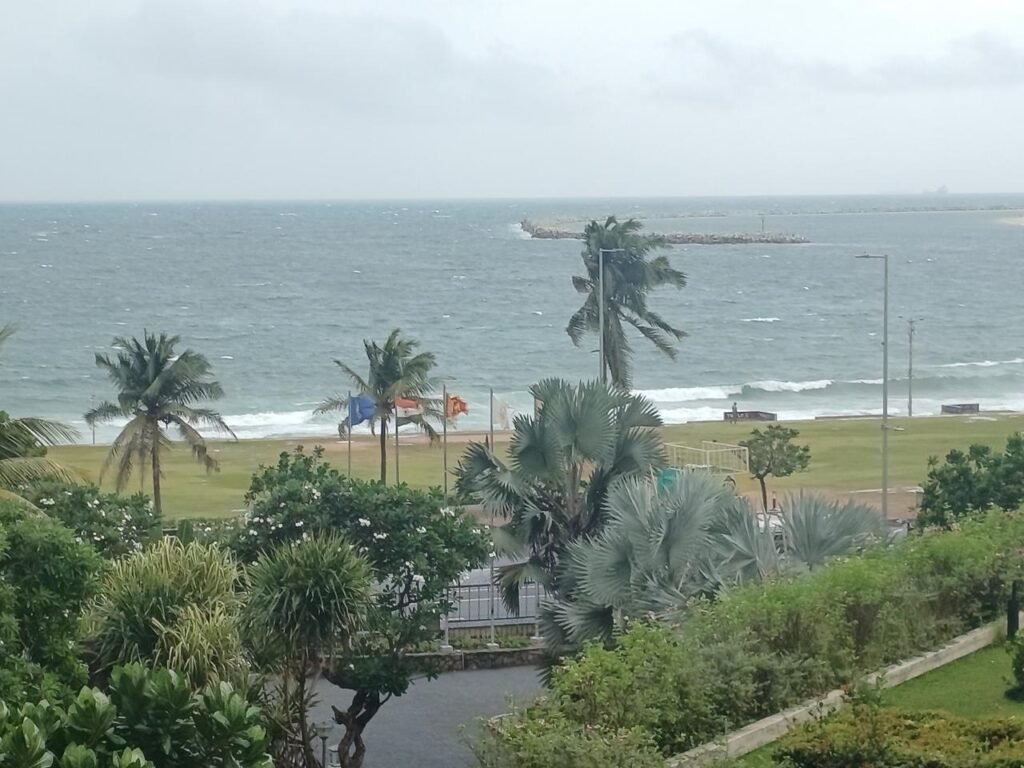
“Indian tourists are becoming value-conscious rather than merely price-conscious,” says Rahul Singh, 42, Corporate executive with his wife and kids enjoying a coffee at Galle Face Hotel, Colombo in Sri Lanka.
“The beaches are world-class, five-star hotels are affordable and, because of the favourable exchange rate, dining at Colombo’s finest restaurants doesn’t feel expensive. You can enjoy luxury without overspending,” he says.
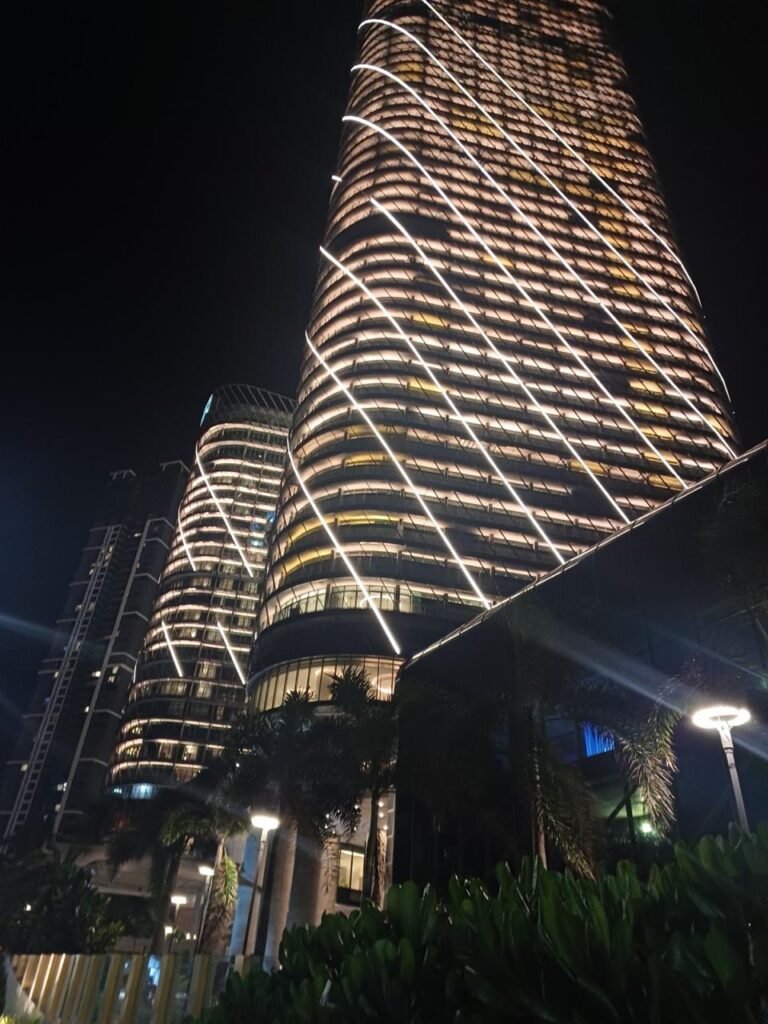
ITC Ratnadipa, a Luxury Collection Hotel,Colombo
Singh believes Sri Lanka offers Indian travellers a combination that is increasingly difficult to find elsewhere—premium hospitality at competitive prices.
Beyond tourism infrastructure, he was also impressed by the country’s civic culture.
“While crossing a road in Colombo, a car stopped to allow me to cross. Such respect for pedestrians creates a positive impression about the country.”He also pointed to Sri Lanka’s modern transport network.
“The expressways are excellent and travelling across the country is comfortable. Investments in highways over the past decade have substantially improved connectivity and enhanced the visitor experience.”
Dr. Subhash Goyal, Chairman of the STIC Travel Group, says the rise in spending by Indian tourists reflects a structural shift in India’s consumption patterns. “The country’s middle class is no longer limiting discretionary spending to domestic travel. International holidays have become an important part of household expenditure, with families seeking quality experiences rather than simply low-cost vacations,” he said. “Indians are now among the largest source markets for several destinations, including Sri Lanka, and have emerged as a major outbound tourism market for countries such as the UK, Switzerland and many others.”
Sri Lanka has been quick to recognise this opportunity. Besides maintaining its focus on traditional markets in southern India, the country is actively targeting affluent travellers from Delhi, Mumbai, Ahmedabad and other major Indian cities.
The strategy appears to be paying dividends. India remains Sri Lanka’s largest source of tourist arrivals, while Indian visitors are contributing disproportionately to tourism receipts through higher per-day spending.
For Sri Lanka, attracting Indian tourists is not merely about increasing arrival numbers. It is about attracting high-value visitors who generate greater economic activity, support local businesses and strengthen the country’s foreign exchange earnings.
As India’s middle class continues to expand over the coming decade, its impact on regional economies is expected to become even more pronounced. Sri Lanka’s tourism sector offers an early example of how the spending power of Indian consumers is beginning to reshape economic opportunities across South Asia.
The message is clear: India’s outbound tourism is no longer just about more travellers—it is increasingly about greater spending power, making the Indian middle class an important economic force beyond the country’s borders.
The writer is a Senior journalist writing on South Asia. He has worked for over 25 years with a leading international public broadcaster, covering politics, business, economy and strategic affairs across the region. He can be contacted at asax18th@gmail.com.