 Padampura, Rajasthan: One hot evening in rural Rajasthan, 14-year-old Nisha Vaishnav noticed strangers photographing her during football practice. Soon, she learned why — they were assessing her as a potential bride for their son.
Child marriage is illegal in India, but remains widespread. Around a quarter of Indian women were married before the age of 18, according to UNICEF, with rates higher than average in Rajasthan.
Nisha refused the proposal, telling her family she was too young and wanted to continue playing football. After weeks of resistance, the family withdrew their offer.
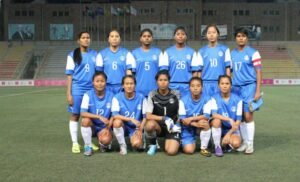
Her confidence was shaped by football — a sport introduced to her by her elder sister Munna through Football for Freedom, a grassroots initiative run by the women’s rights organisation Mahila Jan Adhikar Samiti. The programme uses sport to empower girls, improve education outcomes and delay early marriage. Since 2016, it has trained nearly 800 girls across 13 villages.
The sisters faced social opposition. Villagers mocked them for wearing shorts and criticised Nisha for cutting her hair short — acts seen as defiance in a conservative community where women are expected to cover their faces in public.
Despite this, Nisha’s talent flourished. In 2024, she represented Rajasthan at the National Football Championship.
Girls married as children face increased risks of early pregnancy, poor health and curtailed education. Programme organisers say they avoid directly challenging parents on child marriage, instead highlighting how sport can lead to education and even government jobs reserved for athletes.
Nisha, now 15, dreams of playing for India’s national football team. If that doesn’t happen, she hopes sport will still secure her financial independence.
Munna, now 19, studies at university and trains younger girls.
“Even if I can’t stop every marriage,” she says, “I want girls to believe they can dream of something more.”