

We all know that birds migrate; that they fly from one country to another to escape harsh winters and go back to the native country to breed. Winter migration into NCR is also a regular event.
The National Capital Region of Delhi Gurgaon and Noida, (NCR), witness the migration of many species of birds in huge numbers. There are several hotspots around NCR where these birds can be seen in the wild. Of course, Okhla bird sanctuary and Sultanpur National Park are created as bird sanctuaries by the Government, but there are large open areas where these birds arrive on a regular basis. The time of arrival of specific species is accurate almost to the specific time of the day, every year. It is uncanny how they can maintain the timing and own the perch year on year. Experienced birders in NCR have seen a falcon at a particular electric pilon in Noida exactly at the same time of the same date for last 10 years!!
The birds come-in mainly during Oct – Nov from their native breeding grounds like Europe, Russia, Baluchistan etc. They stay in India during winters and return migrate in Feb-March. There are many-many species that come into NCR; to name a few small birds and a few larger ones as examples:-
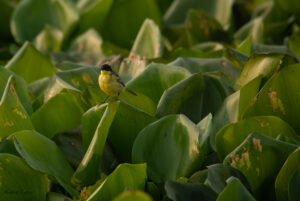
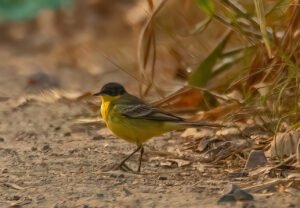
Western Yellow Wagtail: from Europe / Central Asia.
This is a small bird barely 7-7.5 inches in length. It can be seen in open wetlands and sanctuaries definitely on the edges of the waterbody. They are gregarious and very active. As their name suggests their unique feature is the tail wag up and down.
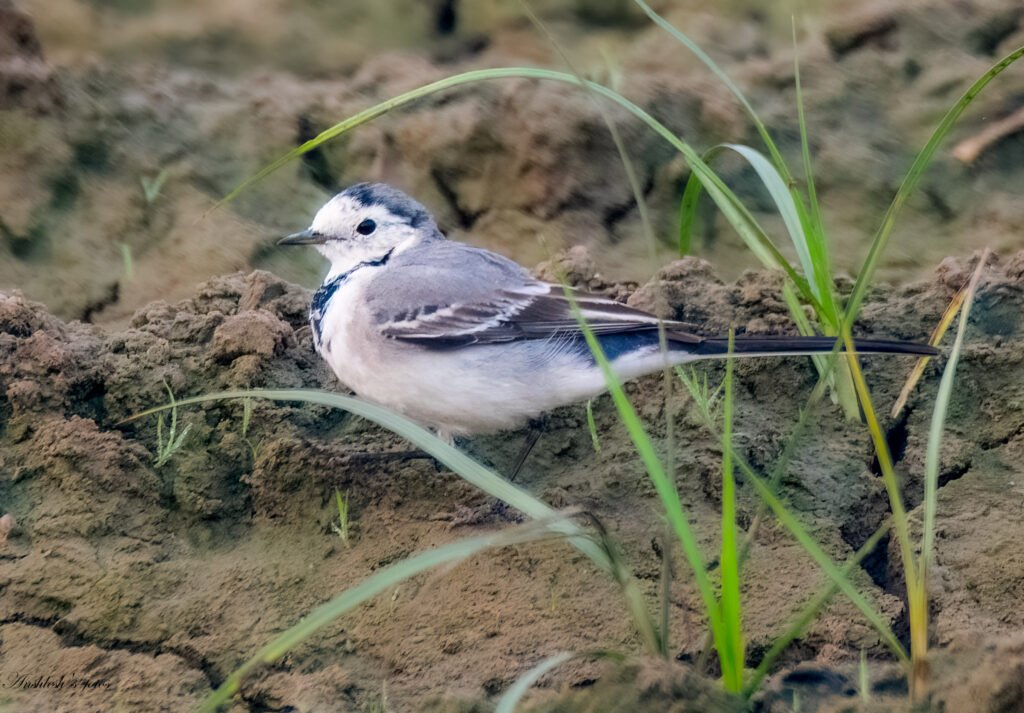
White wagtail: from Europe / Central Asia.
Another of the wagtail species. Same size as the western yellow wagtail, they are not seen in flocks but mostly as singles or a few scattered. They can also be seen in large grassy patches near waterbodies.
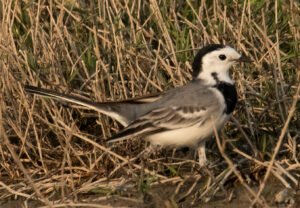
The wagtail species has many variants like Grey, white, citrine, yellow etc. One of the breeding places of the wagtail is Baluchistan. Imagine a small bird flying from Baluchistan to Delhi in winters and then going back to breed in the summer! Of course, they do take breaks, and it is usually a two-month time to travel, yet it is amazing to find them constantly flying long distances every year.
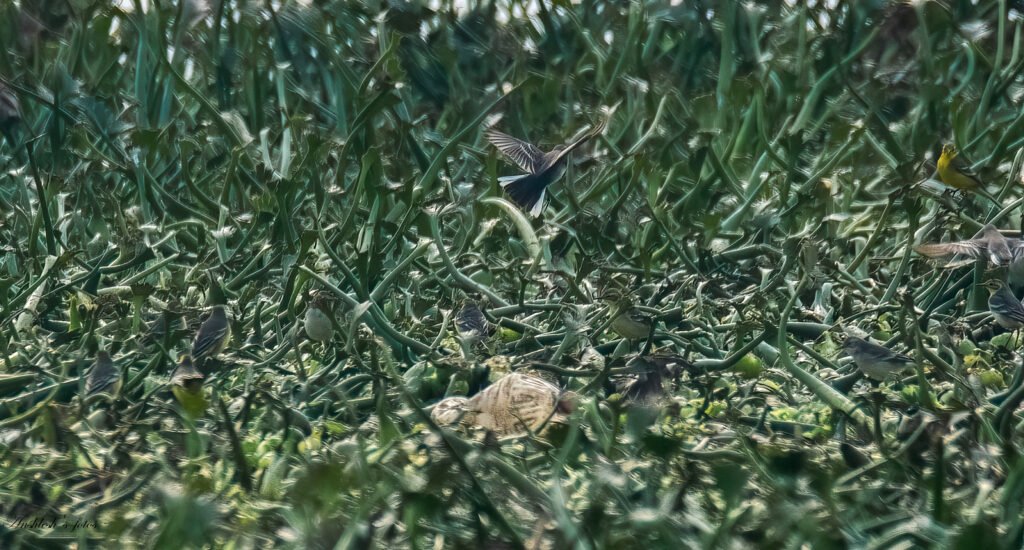
They are more easily heard, especially while flying around but difficult to photograph as they are small and quick. Also, they frolic in thick vegetation and in fields hence are difficult to spot.
Check out this picture, how many wagtails do you see:
Some of the larger birds are,
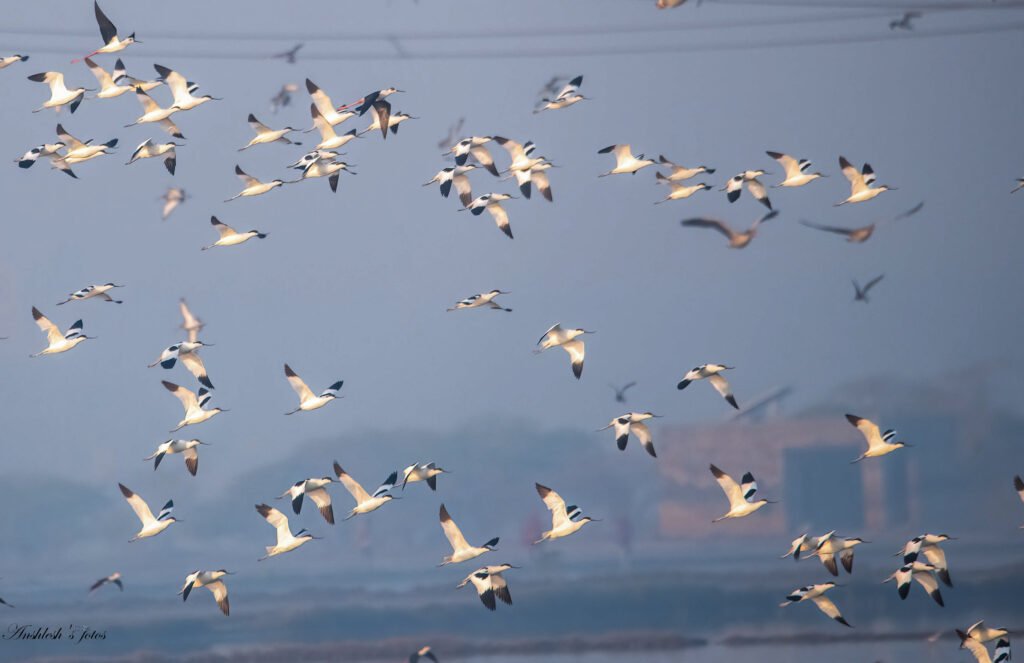
Pied Avocet: from Europe / Central Asia.
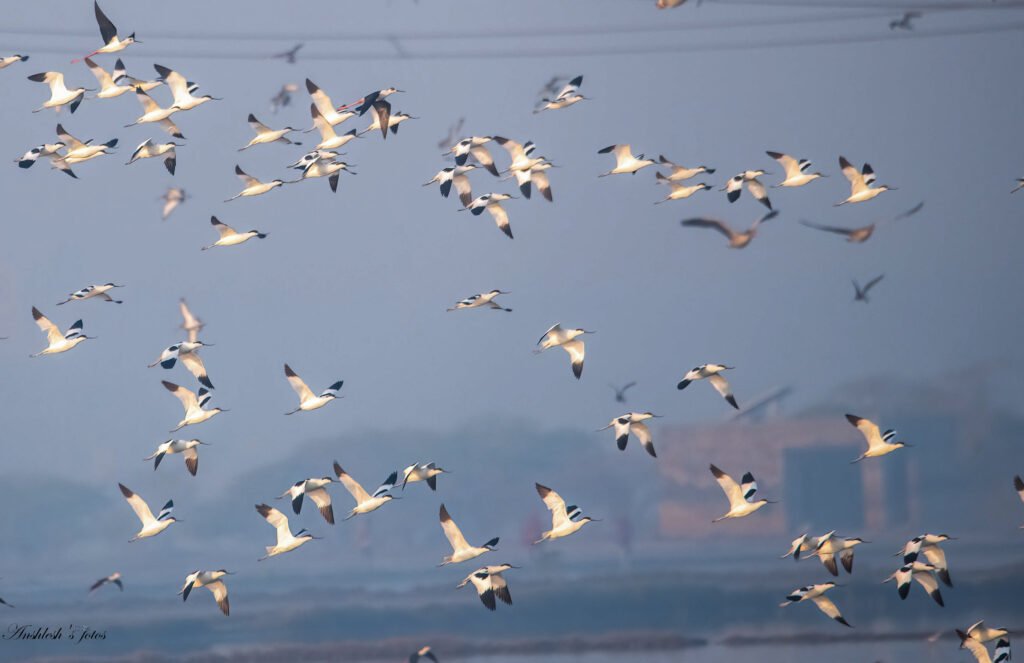
A beautiful black and white bird with a uniquely upturned long beak. It is a wader seen in large flocks feeding or resting in shallow waters. About 45 Cm in length, it can be found in wetlands like Chandu, Najafgarh and around.
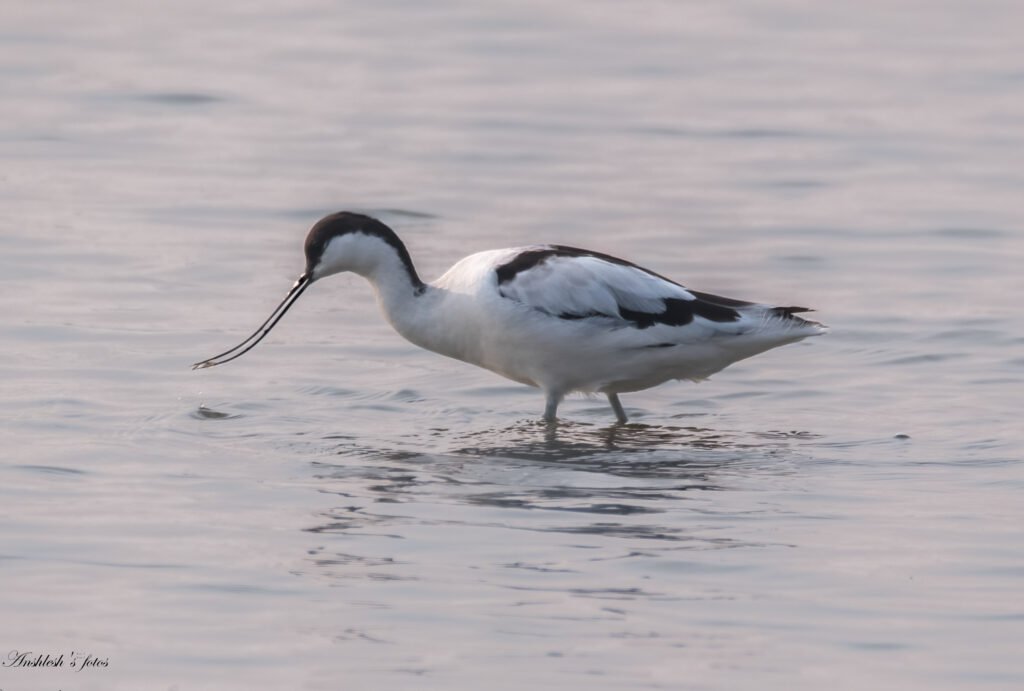
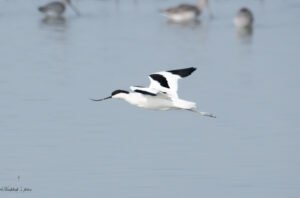
Flock of pied avocets with a few black winged stilts
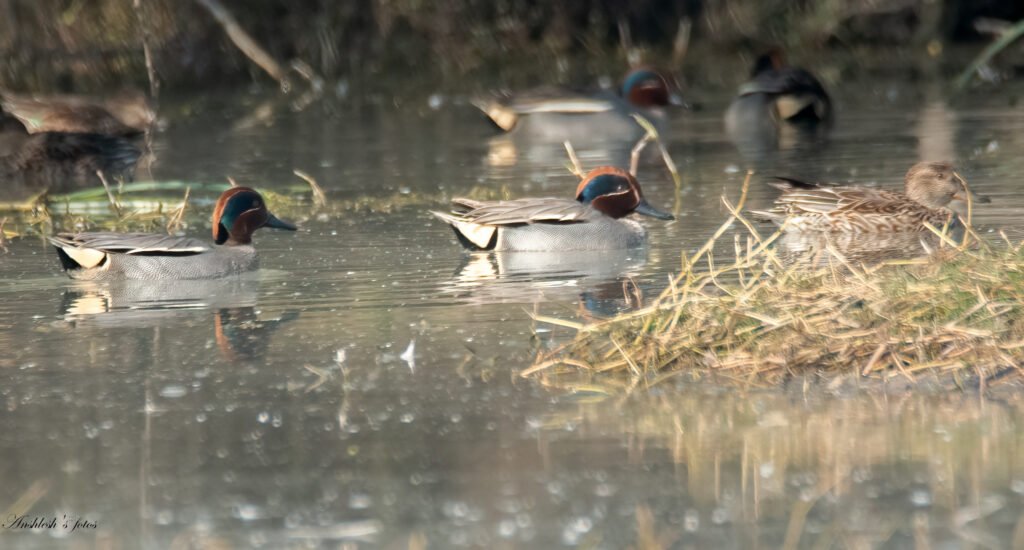
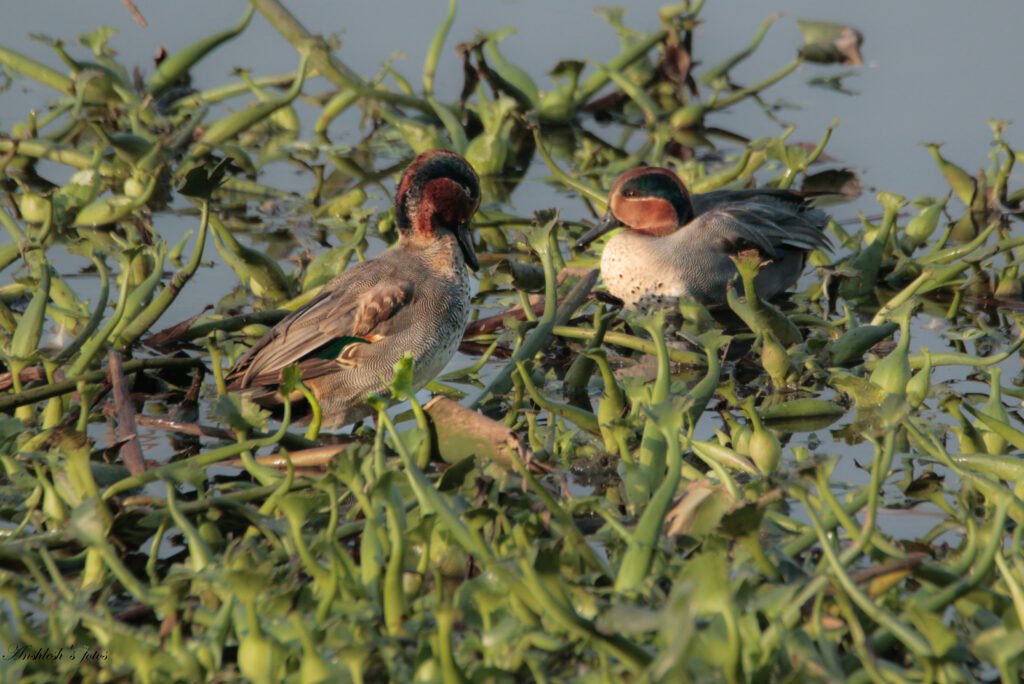
Common Teal (duck): from Siberia / Central Asia
Another beautifully colored wader, about 36 cm on average. The male has a chestnut colored head with border lines under the eye. It is a regular migrant to NCR wetlands like Okhla bird sanctuary, Sultanpur, chandu etc. It comes in large flocks that spread across several waterbodies.
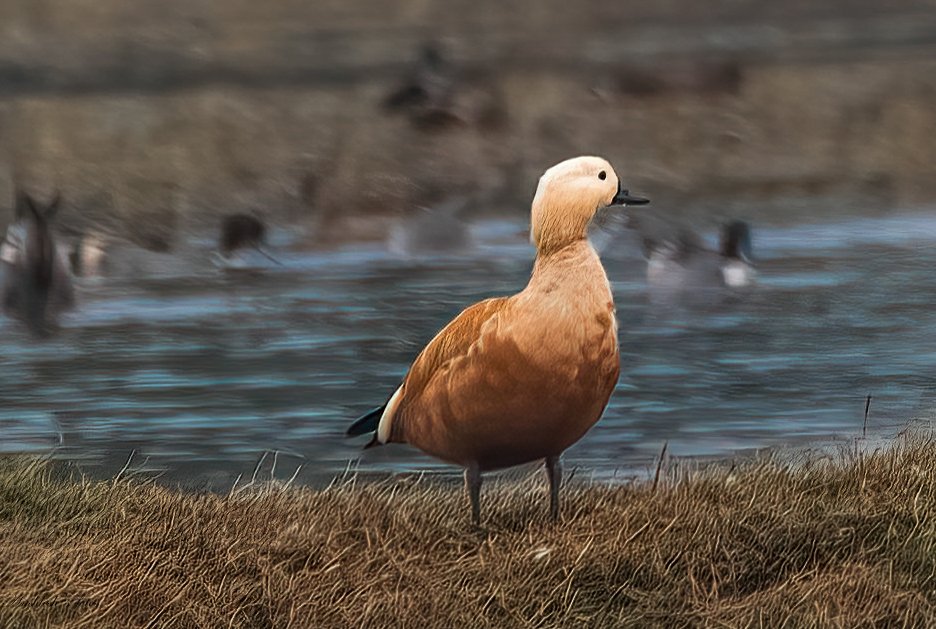
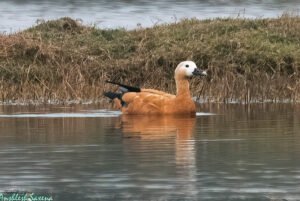
Rudy Shelduck: From Siberia / Central Asia
Commonly also called the golden duck, it is one of the larger and strikingly colored ‘good looking’ ducks. It’s about 60-65 cm long and usually seen as a single or a few pairs together. It can be found in Sultanpur, Chandu, Okhla etc during winters.
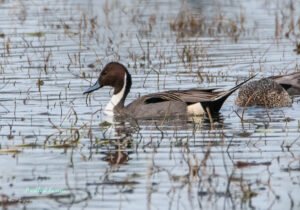
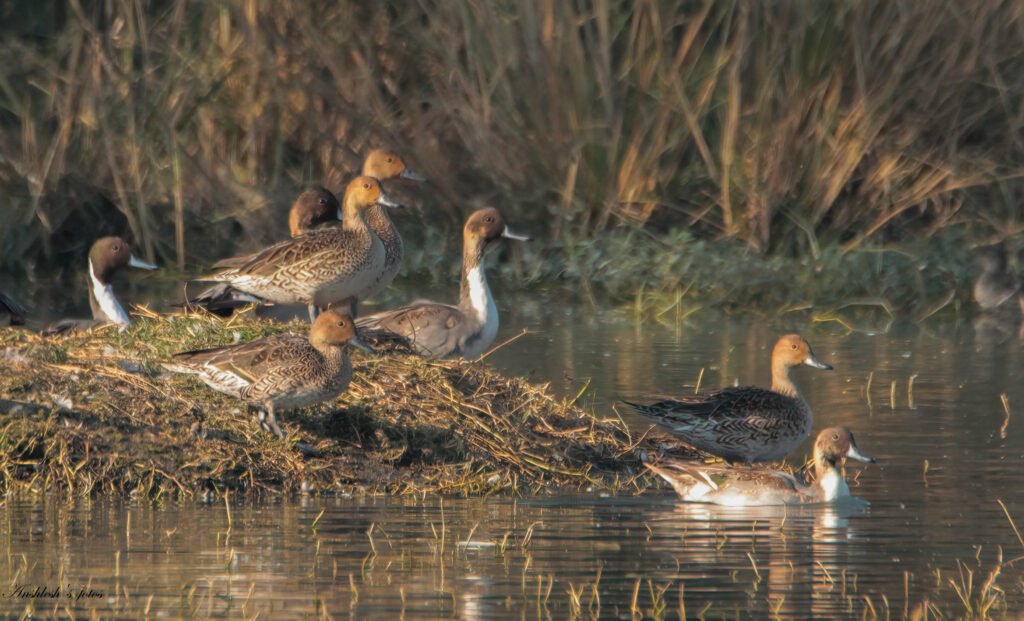
Northern Pintail (duck): from Central Asia / Siberia
This duck (male) is easily identified by a long ‘spike like’ white color running up its neck; if the Pin like sharp ended tail is missed. The female is a bit tricky to identify as most females of many ducks seem to look similar. They can be found in large flocks in almost all wetlands in and around NCR.
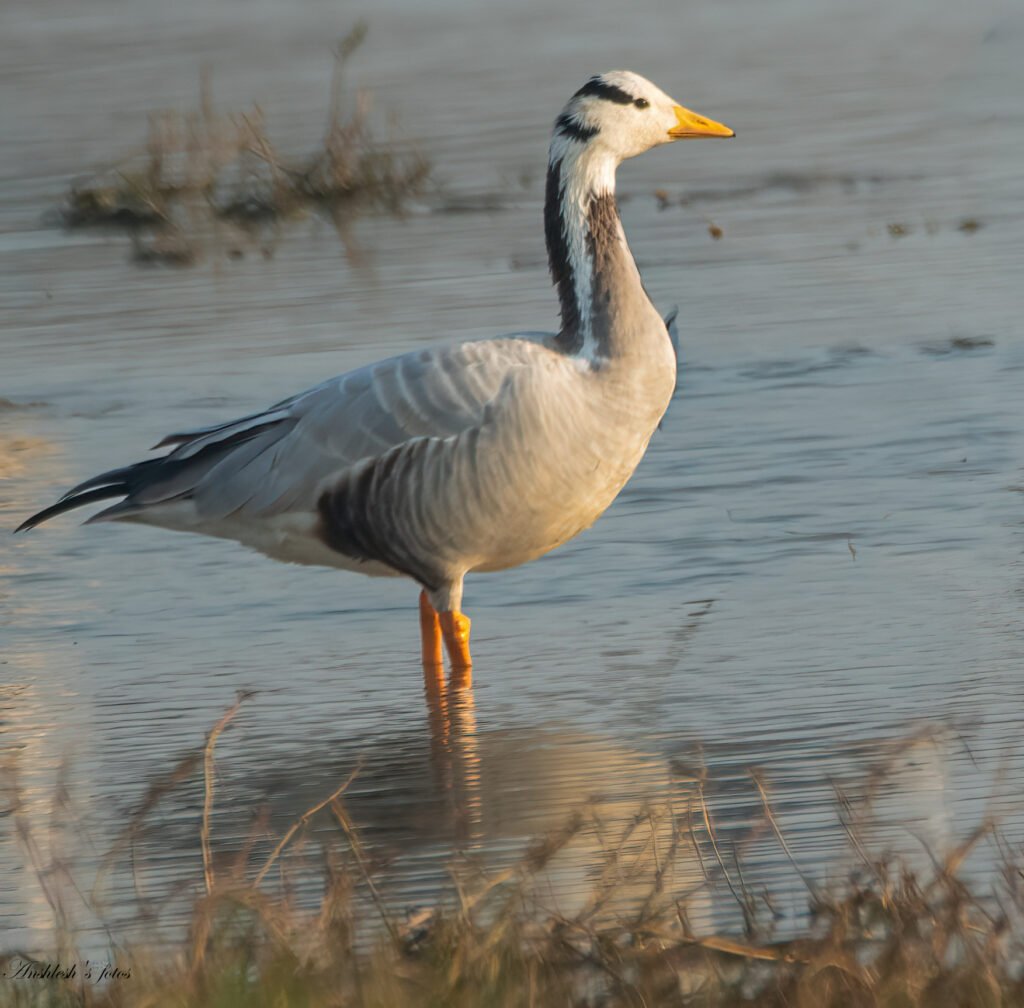
Bar-headed Goose: Tibetan plateau / Siberia
A large goose about 75 cms, with a striking yellow beak with a black tip and yellow legs. It derives its name from the two black colored ‘bars’ on its head. It is often seen feeding in fields near water bodies at chandu, Sultanpur, Najafgarh jheel, okhla and other water bodies.
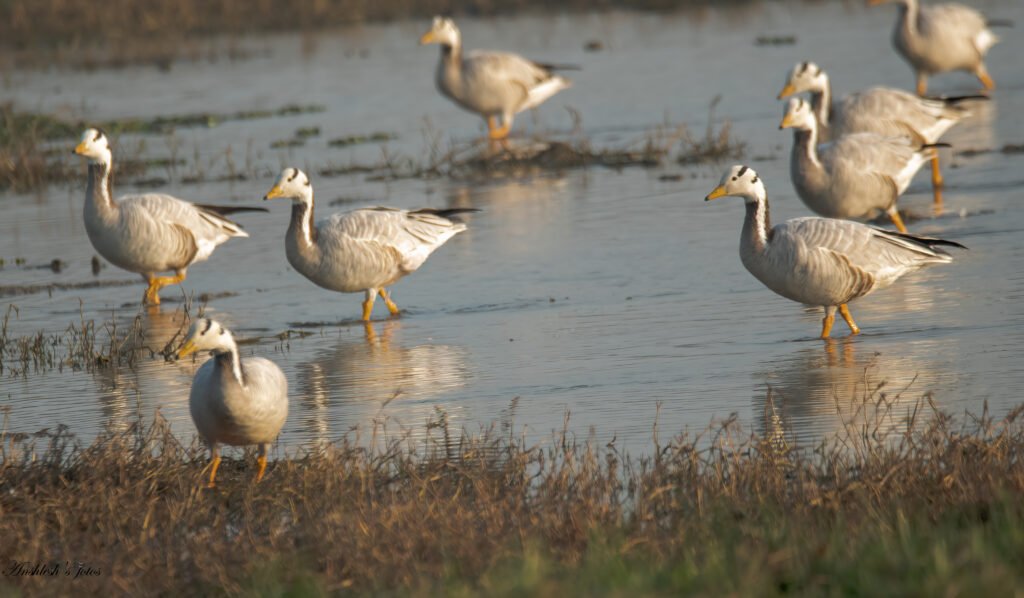
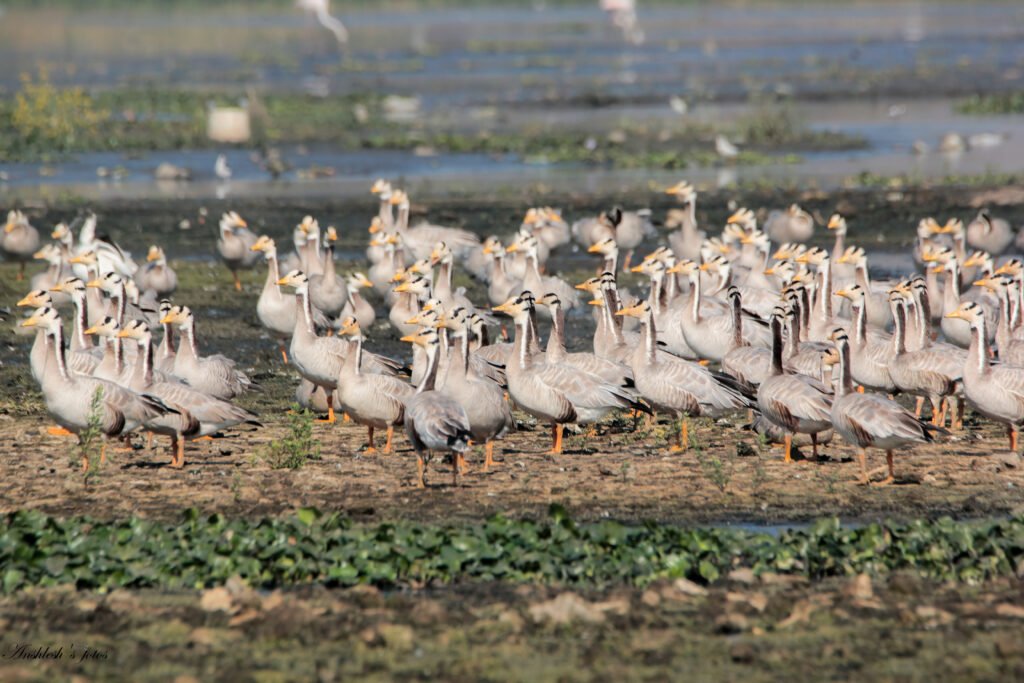
Greylag goose: from Mongolia / southern Russia
It is also a large bird growing to almost 80 cm with a grey body and pinkish beak and legs. Its voice is a bit deeper than other geese. They usually are well spread in small flocks in almost all the wetlands in NCR.
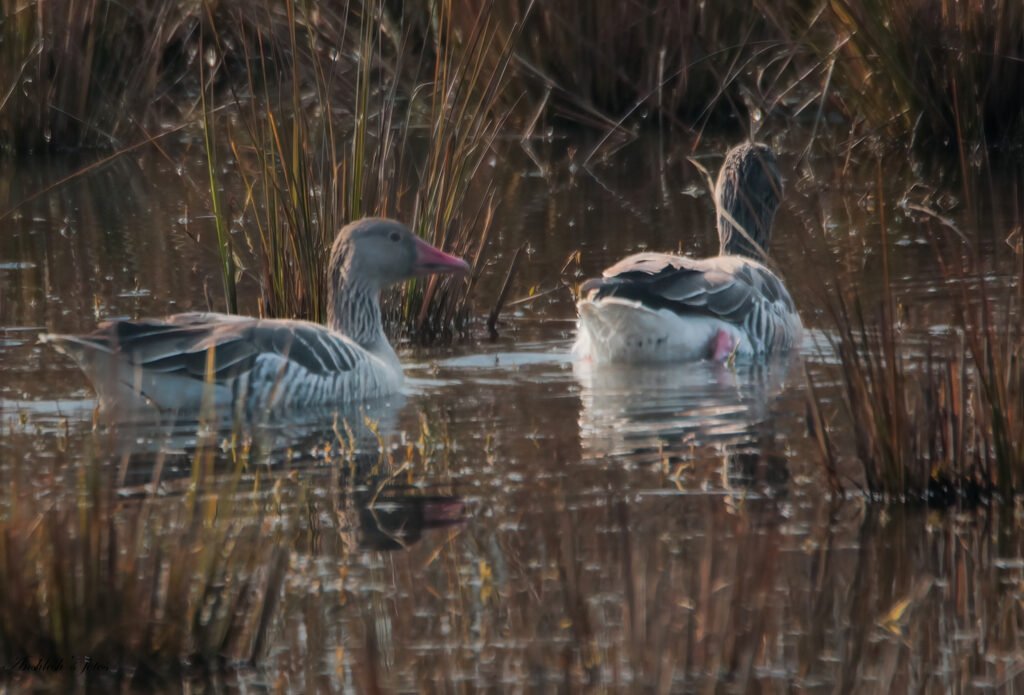
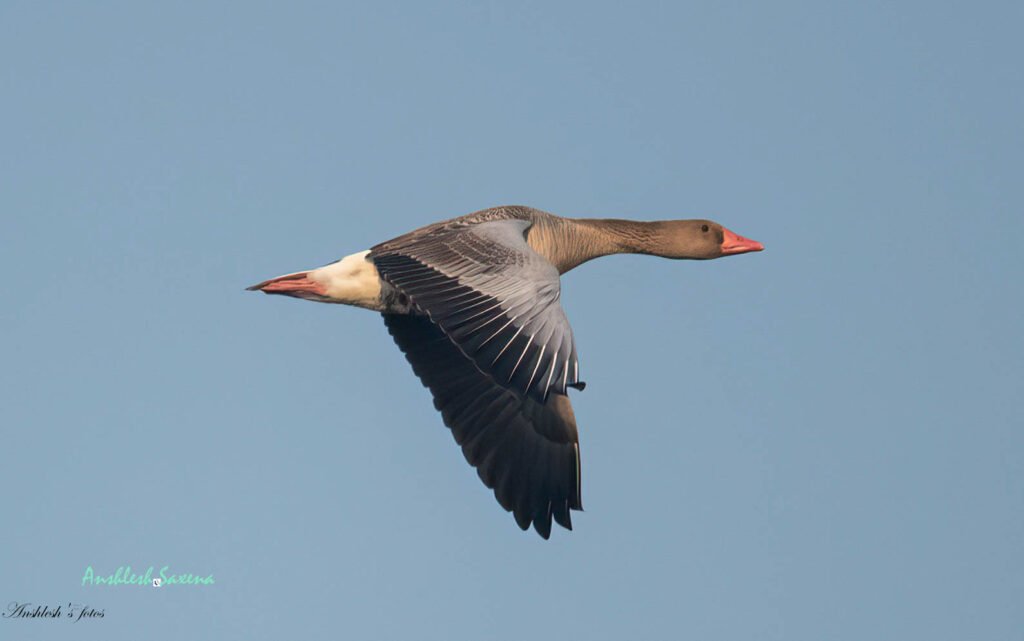
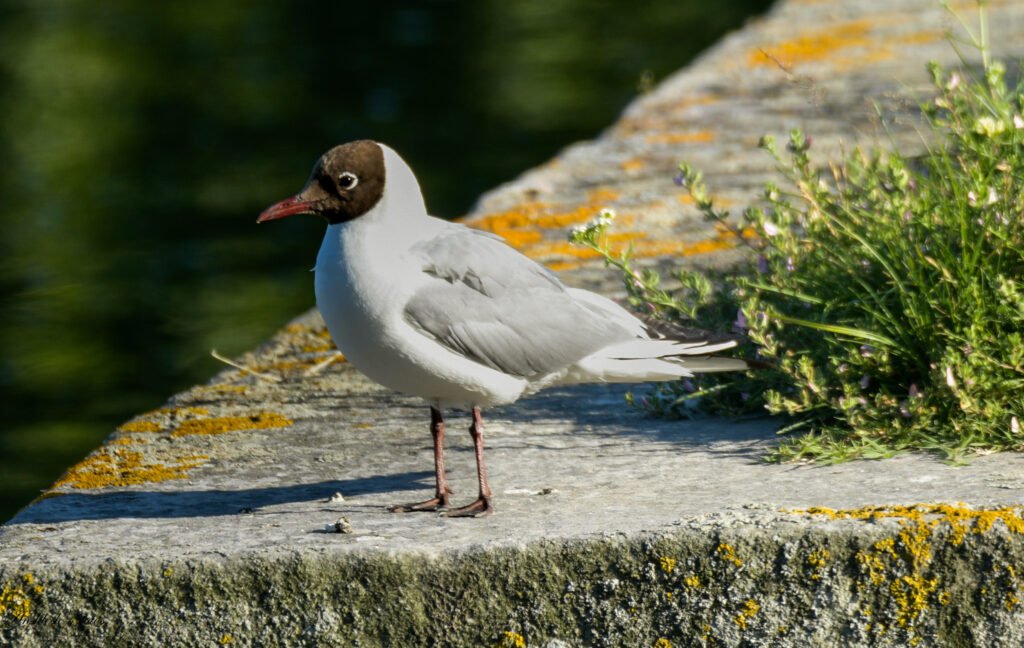
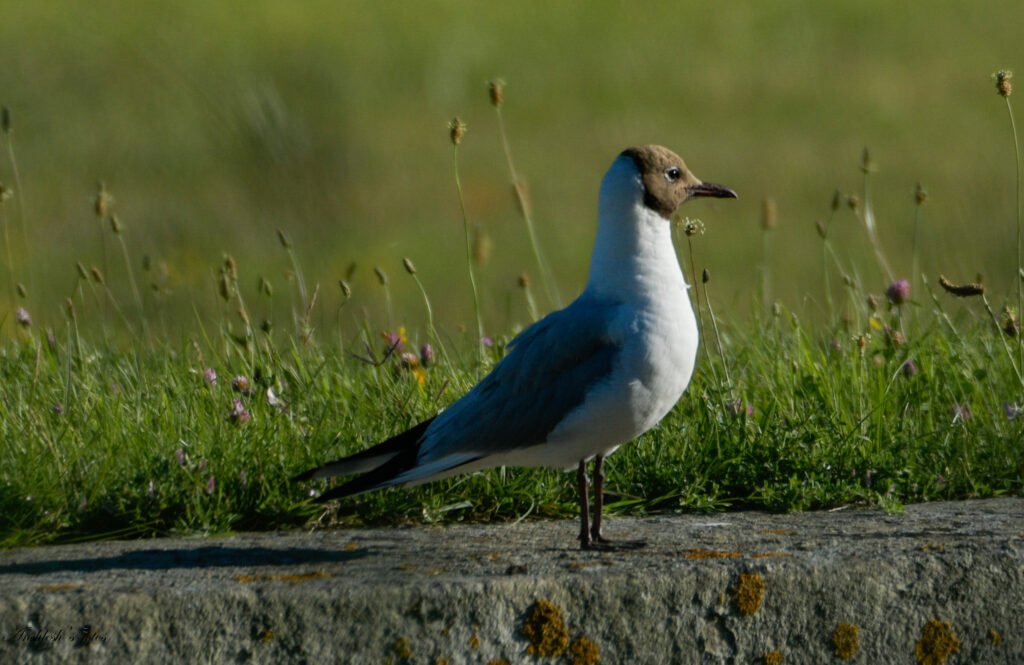
Black headed Gull: from Europe / Central Asia
The Gull breeds in Europe and migrates into India where it is usually in non-breeding plumage when inn India; which means its head is not black or dark brown but white with just a black spot behind the eye. Usually seen in large flocks in most wetlands around NCR.
Flying over Everest
The small birds take a circuitous route coming into India from over the Himalayan range. They often skirt the mountains and some, usually larger ones, use the mountain passes. Flying through the day they rest at night. But most of the large birds coming in from Siberia and even central Asia have to fly over the Himalayas to reach India. The Bar headed goose is unique in this endeavor. It flies over the Himalayas in one flight non-stop. It flies at a height of about 28000 ft (8+ Km). At those heights the atmospheric pressure is very low, temperatures are in the range of -35 to -40 deg centigrade and oxygen content is extremely low in the rarefied atmosphere. Flying at that height under those conditions for almost a day, non-stop reaching speeds of up to 150 Kmph to cross 1600 km in a day is a formidable feat. They bar-headed geese flying over the Everest peak have been recorded by mountaineers. They then come to roost in various parts of India including Delhi NCR. They can be seen noisily flying around near wetlands like Dhanauri, Chandu-budhera, Okhla, Sultanpur and others.
Winter migration of birds into NCR is an exciting time for birders. The sheer large numbers and varieties that are easily seen gives a kind of satisfaction that even the busiest metropolis still has wild nature flourishing. And then the count, the different rare or vagrant individuals that come with flocks of other birds, bring in some exhilarating moments. The wonder of seeing a living being that fly over Everest (without gear 😊) and still stays healthy and active on ground is almost always awesome.
Text & Photographs by Anshlesh Saxena : An amateur birder based in Gurgaon and a veteran of the Indian Air Force, Anshlesh is a student of Zoology and a passionate nature enthusiast. Over the years, his birding journeys across NCR and various parts of India have greatly deepened his understanding of avian life.Through sharing his observations, insights, and experiences, he seeks to contribute meaningfully to environmental awareness and conservation.







One Response
Excellent collection of the avian life that flocks around us…
Insight full detailing and crystal clear pics in tje natural surroundings of our flying companion is beautiful…..depicting tha zeal enthusiasm and pains taken by the author…
More and more such local enthusiastic personel are needed in the society who can bring the treasures spread around us…
As some one has said…we need more vocal…for local…..
Dr vineet