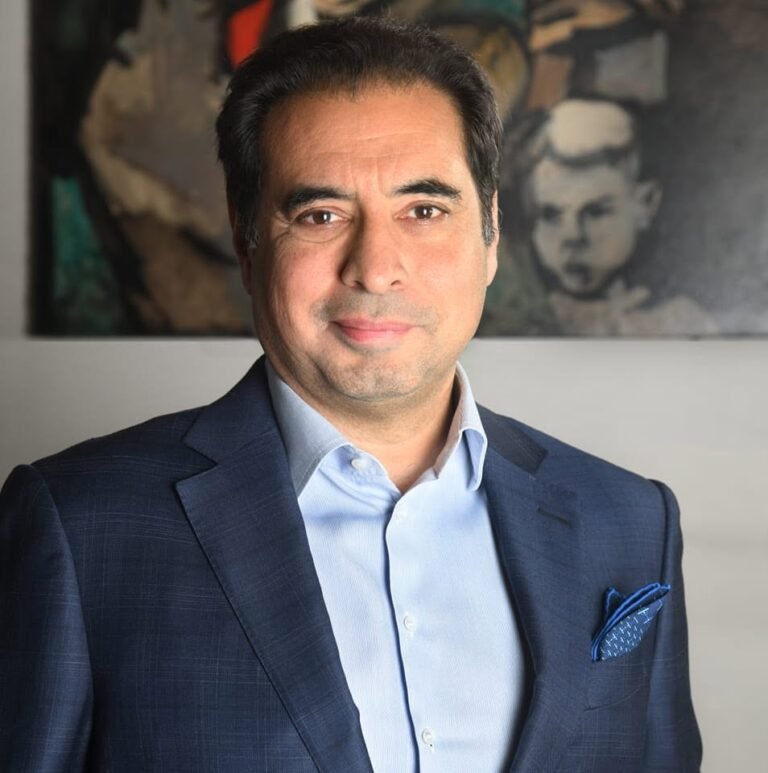

A growing concern is emerging for India’s middle class: incomes may be rising, but real wealth is steadily eroding. According to a report that appeared in Mint, Chartered Accountant and financial advisor Nitin Kaushik has flagged what he calls the “silent crisis of 2026”.
In a detailed analysis shared on social media platform X, Kaushik warned that while salaries have increased over the past decade, inflation has significantly outpaced income growth. For instance, a salary rising from ₹90,000 in 2015 to ₹1.5 lakh today reflects a 66% increase—but essential expenses such as rent, school fees, and insurance have nearly doubled in the same period, leaving real purchasing power largely unchanged.
‘The Math of Saving Is Broken’
Kaushik pointed out that traditional savings instruments are no longer sufficient to preserve wealth. With fixed deposits offering around 7% returns and real inflation for the middle class estimated at nearly 12%, money parked in low-yield instruments is effectively losing value each year.
He also noted that India’s household savings rate has dropped to nearly 18% of GDP in 2026—the lowest since 2017—not due to reckless spending, but because rising living costs are unavoidable. In Tier-1 cities, essentials such as housing, education, and insurance now consume up to 45% of post-tax income.
Rising Debt Signals Stress
Another worrying trend is the increase in consumption-driven debt. Credit cards and personal loans are increasingly being used not for discretionary spending, but to bridge gaps between income and essential expenses.
“We are funding today’s survival with tomorrow’s wealth,” Kaushik cautioned, urging a fundamental shift in financial mindset—from saving to investing in growth-oriented assets.
Retirement Planning Under Pressure
Kaushik also warned that many Indians are planning for a retirement that “no longer exists,” citing healthcare inflation and increased life expectancy as major risks. While general inflation hovers around 5%, medical inflation is estimated at 12–14%, significantly impacting long-term financial planning.
He recommends a retirement corpus of at least 300 times monthly expenses. For someone aiming to sustain a lifestyle of ₹1 lakh per month, this translates to approximately ₹3.5 crore—assuming retirement at 60, life expectancy of 85, and returns just 2% above inflation.
Rethinking Financial Strategy
To build a more resilient financial future, Kaushik suggests:
- Adopting a conservative 3% withdrawal rate in retirement, compared to the 4% rule common in the West
- Considering “lifestyle arbitrage” by moving to Tier-2 or Tier-3 cities to reduce costs
- Diversifying into inflation-beating assets such as equities and mutual funds
- Planning for longevity with annuities, insurance, and long-term savings buffers
The broader message is clear: without a shift toward growth-oriented investing, India’s middle class risks facing a future where rising incomes fail to translate into real financial security.