
Tehran Vows Retaliation: “Mark My Words, The U.S. Will Bitterly Regret This”
The Middle East conflict between Israel and Iran entered its sixth consecutive day on Wednesday, with tensions escalating sharply after the United States confirmed that one of its submarines sank an Iranian warship. Tehran responded with fresh missile attacks on Israel and issued stern warnings of broader retaliation against American military assets.
U.S. Submarine Strike Marks Major Escalation
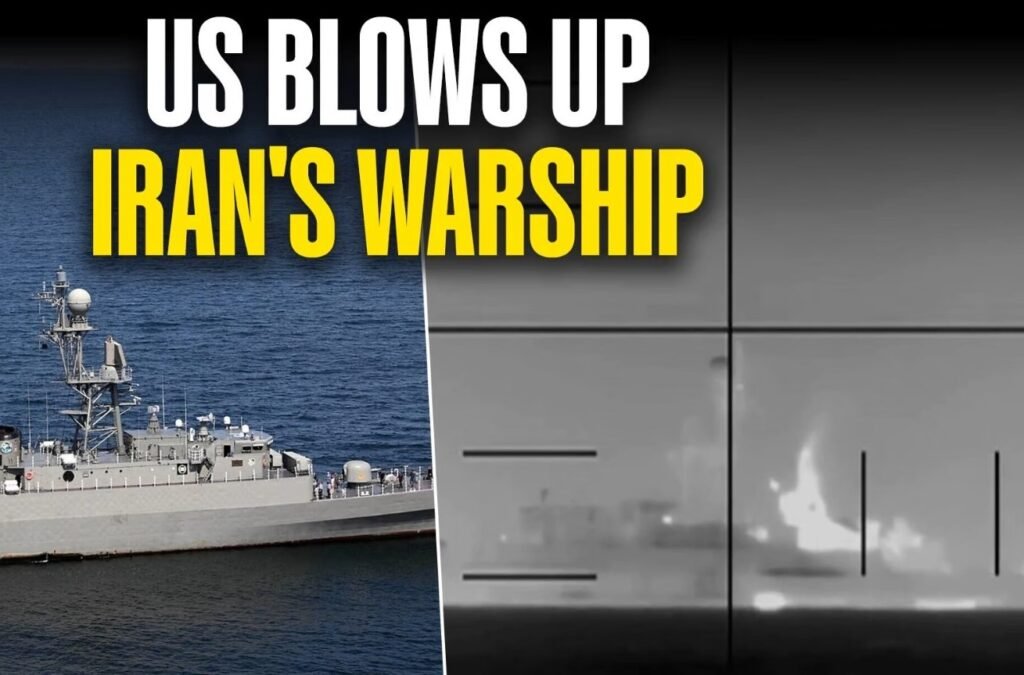
According to U.S. defence officials, an American submarine torpedoed and sank the Iranian frigate IRIS Dena in international waters near Sri Lanka. Washington described the strike as a defensive action, claiming the vessel posed a strategic threat amid widening hostilities.
Iranian authorities condemned the move as “an act of war.” A senior Iranian minister declared, “Mark my words, the United States will bitterly regret this aggression,” vowing that American military installations across the region would be legitimate targets.
The sinking represents one of the most significant naval escalations between the two nations in decades and is being described by analysts as a turning point in the crisis.
Missile Exchanges Intensify
Hours after the submarine strike, Iran launched a new wave of ballistic missiles toward Israel, triggering air raid sirens in Tel Aviv and Jerusalem. Israel’s Iron Dome and allied air defence systems intercepted several projectiles, though some damage has been reported.
The Israeli military responded with additional airstrikes targeting Iranian-linked assets in Lebanon and Syria. Defence officials in Tel Aviv said operations would continue “as long as threats persist.”
Regional Fallout and Global Concerns
The conflict, initially centered on Israeli and Iranian territory, now carries global implications. The U.S. has reinforced its bases in the Gulf, while NATO allies are reportedly monitoring airspace activity near Turkey. Maritime security concerns are rising after the naval incident in the Indian Ocean.
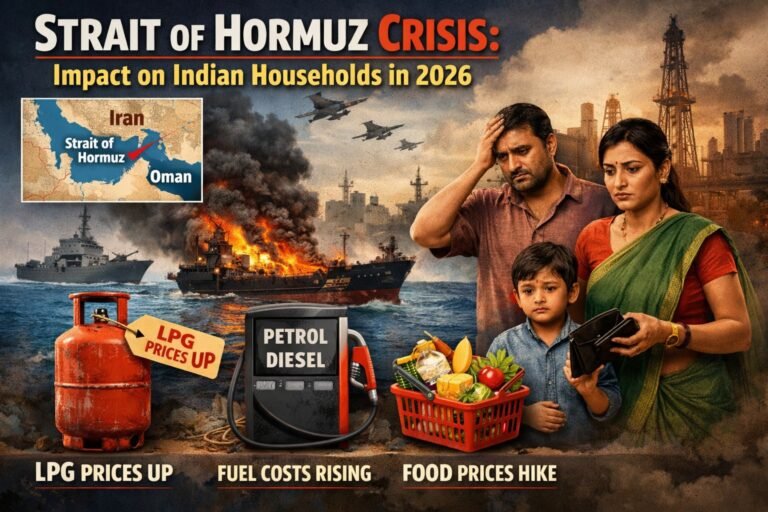
Oil markets reacted nervously, with crude prices climbing amid fears of disruption to shipping lanes. Diplomatic efforts by European and Gulf nations to broker de-escalation have so far yielded little progress.
A Conflict With Wider Stakes
The current flare-up follows recent Israeli strikes on Iranian positions and subsequent retaliatory drone and missile attacks. With direct U.S. military involvement now confirmed, the risk of a broader regional war appears significantly heightened.
Strategic analysts warn that further escalation could draw in additional actors, including proxy militias and regional powers, potentially destabilizing the wider Middle East.
For now, the region remains on edge as military exchanges continue and rhetoric intensifies — with no immediate sign of de-escalation.