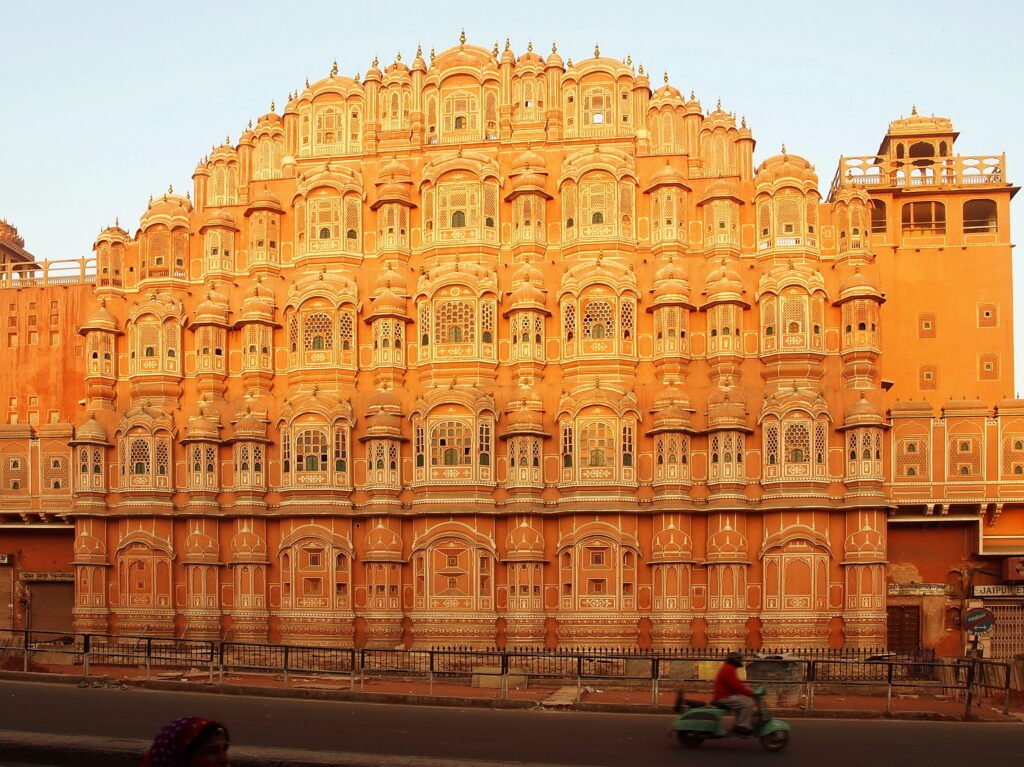
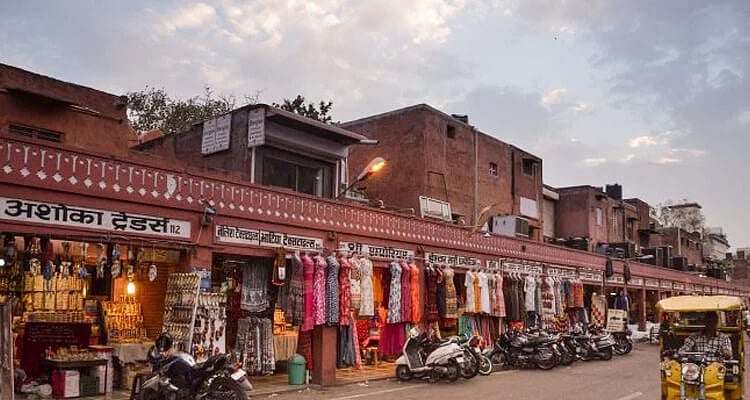
Jaipur’s fabled Pink City — a maze of rose-hued façades, ornate balconies, and bustling bazaars — is once again at the centre of global attention. This time, however, the spotlight is not just about its beauty, but about its preservation.
The Walled City of Jaipur, inscribed as a UNESCO World Heritage Site in 2019, is facing scrutiny over redevelopment and construction activities within its historic core. UNESCO has reportedly sought clarifications from authorities, with a response expected by December 2026.
For travellers, this raises an important question: what does this mean for one of India’s most beloved heritage destinations?
A Living Heritage City
Founded in 1727 by Maharaja Sawai Jai Singh II, Jaipur was one of South Asia’s earliest planned cities. Its grid-based layout, uniform pink façades (painted to welcome the Prince of Wales in 1876), and distinctive blend of Rajput and Mughal architectural elements have long captivated visitors.
From the honeycombed windows of Hawa Mahal to the gemstone-laden lanes of Johari Bazaar, the Walled City remains both a heritage monument and a living, breathing urban space. Unlike many preserved historic towns frozen in time, Jaipur’s old city continues to thrive as a commercial and residential hub.
Why UNESCO Is Concerned
UNESCO’s concerns reportedly centre on urban redevelopment projects, façade alterations, and infrastructure upgrades that may affect the authenticity of the historic fabric.
As Jaipur modernises — improving roads, utilities, and commercial spaces — heritage experts warn that unchecked construction could gradually dilute the architectural harmony that earned the city global recognition.
For travellers, this tension between preservation and progress is visible in subtle ways: restored facades next to modern signage, boutique hotels housed within 18th-century mansions, and expanding marketplaces catering to contemporary tastes.