
By Special Correspondent
The 2026 FIFA World Cup has once again thrust the Video Assistant Referee (VAR) system into the spotlight after Germany’s dramatic Round of 32 exit against Paraguay, with a controversial decision leaving players, fans and football experts divided over whether technology is improving the game—or diminishing its spirit.
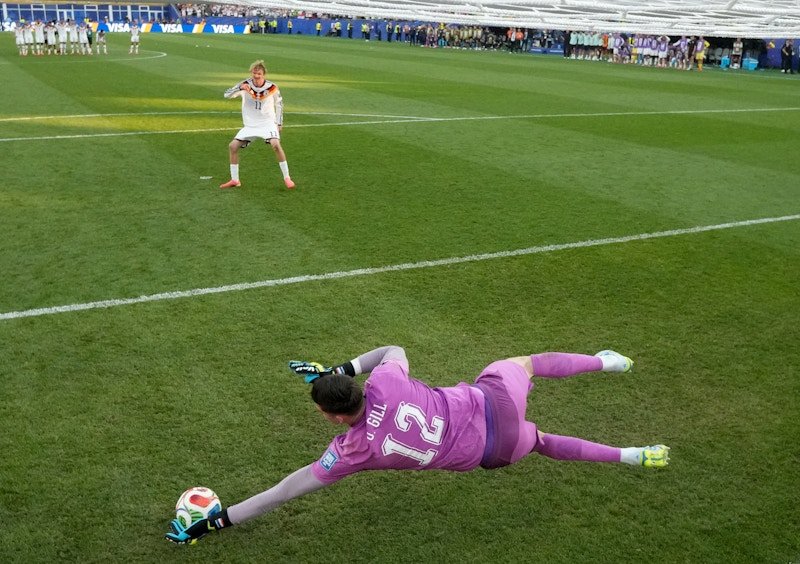
Germany’s Jonathan Tah appeared to have scored the decisive goal in the 101st minute of extra time, sending German players and supporters into wild celebrations. Moments later, however, VAR intervened. Referee Jalal Jayed was called to the pitchside monitor and, after reviewing the footage, ruled that German defender Waldemar Anton had illegally impeded Paraguayan goalkeeper Orlando Gill during the corner kick. The goal was disallowed, leaving the score at 1-1 before Paraguay eventually prevailed 4-3 in the penalty shootout.
The decision immediately sparked outrage across Germany and among many former players and television pundits. Critics argued that the contact on the goalkeeper was minimal and insufficient to overturn a goal in such a crucial World Cup knockout match. Former England captain Alan Shearer described the decision as “pathetic,” while several former German internationals questioned the consistency with which VAR is applied in different competitions.
Supporters of the decision, however, insist that the Laws of the Game clearly protect goalkeepers from being illegally blocked or prevented from challenging for the ball. They argue that Anton’s movement restricted Gill’s ability to contest Tah’s header, making the intervention technically correct even if it appeared harsh. Many refereeing analysts also pointed out that FIFA has taken a stricter approach to goalkeeper obstruction at this World Cup than some domestic leagues.
The controversy highlights a growing dilemma confronting modern football. Introduced to eliminate “clear and obvious” officiating errors, VAR has undoubtedly corrected numerous mistaken decisions involving goals, penalties, red cards and mistaken identity. Yet its use has increasingly come under criticism for lengthy reviews, microscopic scrutiny of incidents and decisions that many fans believe undermine the spontaneity and emotion of the sport.
Football has witnessed several high-profile VAR controversies in recent years—from marginal offside calls decided by centimetres to disputed handball interpretations and subjective fouls in the penalty area. The Germany-Paraguay incident has now joined that growing list, reopening questions over whether officials should intervene only in obvious errors rather than debatable incidents.
Another issue troubling football observers is consistency. Similar physical challenges during corner kicks are frequently allowed in several domestic leagues, particularly in England’s Premier League, where players often jostle and block opponents inside crowded penalty areas. Critics argue that applying a different threshold at the World Cup creates confusion among players and fans alike.
For Germany, the overturned goal proved devastating. Instead of taking a late lead, they were forced into a penalty shootout where they missed three spot-kicks, suffering a shock elimination at the hands of Paraguay. Ironically, Jonathan Tah—the man whose goal was ruled out—also missed one of Germany’s penalties.
The debate surrounding VAR is unlikely to disappear anytime soon. While technology has made football more accurate in many respects, the Germany-Paraguay match serves as another reminder that technology cannot eliminate the subjective nature of refereeing. As long as decisions depend on human interpretation, controversy will remain part of the world’s most popular sport.
Whether the ruling was technically correct or unnecessarily harsh, one thing is certain: Germany’s World Cup exit will be remembered as much for a VAR review as for the football itself.